[language-switcher]

World Heritage

Peru shows the world 12 places recognized by UNESCO as World Heritage Sites: eight cultural, two natural and two mixed. Its rich cultural heritage and biodiversity constitute a universal value of admiration.

Therefore, the selected sites are protected by the World Heritage Committee of UNESCO, which determines the importance of these natural and cultural areas. We invite you to explore the 12 sites recognized by UNESCO in Peru as Cultural Heritage of Humanity.
Cusco City

Cusco of City

Chan Chan

chan chan

Chavin Archaeological Complex

Chavin Complex

Arequipa City

Arequipa City

Historical center of Lima

Center of Lima

Huacaran National Park

Huascaran National Park

Nasca Lines

Nasca Lines

Machu Picchu

Machu Picchu

Caral City

Caral City

Manu National Park

Manu National Park

Rio Abiseo National Park

Rio Abiseo National Park

Qhapaq Ñan

Qhapaq Ñan

City of Cusco

World Heritage

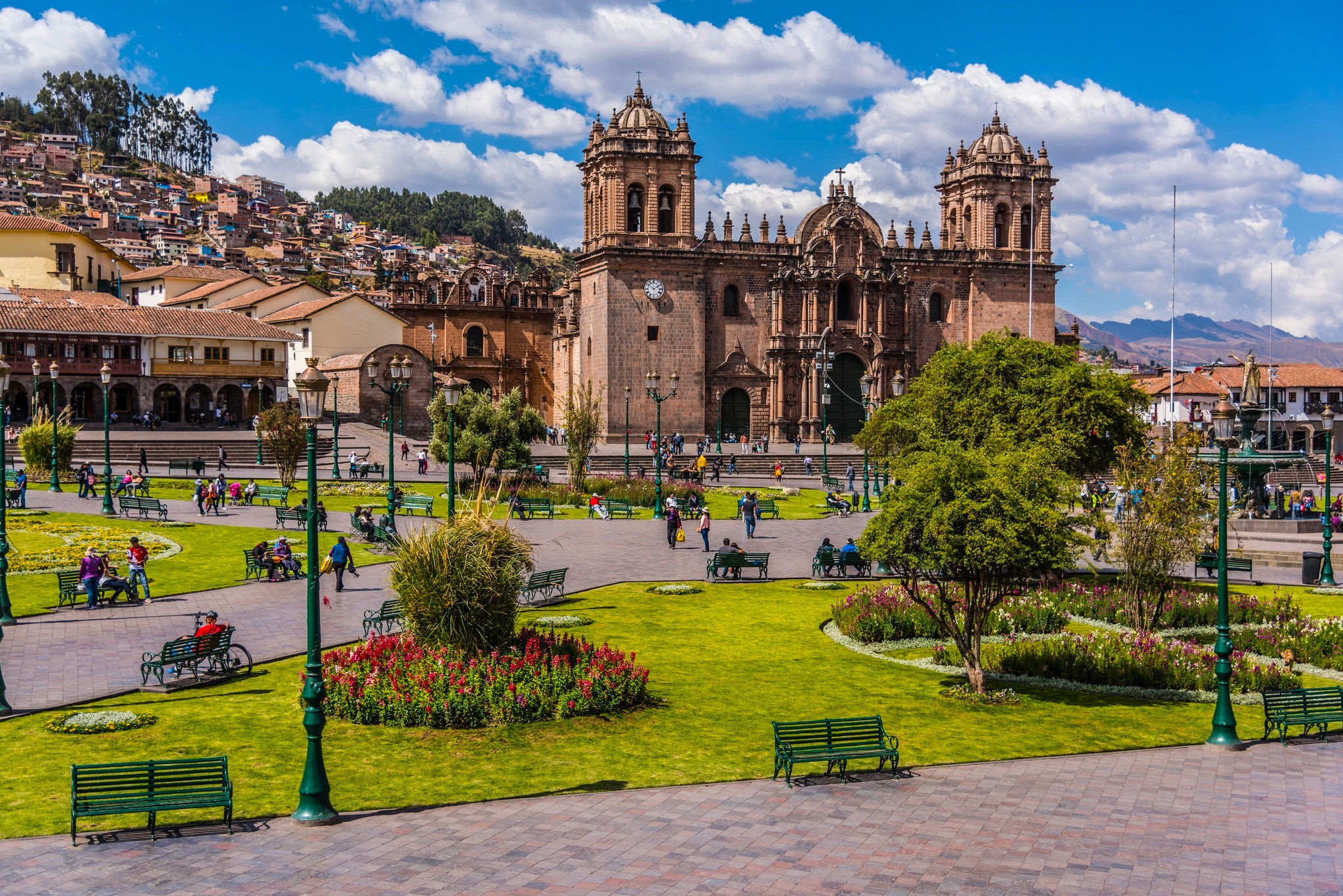
Cusco is located south east of the Peruvian Andes, at 3200 m.a.sl. and it is the tourist city par excellence recognized as the cultural capital of America. Cusco (in Quechua the navel of the world) was the capital of the Tahuantinsuyo, the empire of the ancient civilization of the Incas that controlled a vast territory, from southern Colombia to northern Argentina. Today, it represents the cultural fusion of two worlds (Europe and America) and it preserves its architecture as well as the Incan and colonial customs. In Cusco one can find a wide tourism offer that combines archaeology, culture, nature, gastronomy and history.

Chan Chan Archeological Zone

World Heritage

It is considered the largest clay citadel of the pre-Columbian world. It was built between the 12th and 14th century A.C. by the Chimu, ancient reign that ruled the northern coast of Peru before the arrival of the Incas. With an extension of approximately 20 square kilometres, the complex is formed by citadels, platforms, neighbourhoods and cemeteries surrounded by walls up to 13 meters high. It displays and elaborated social strata system and includes nine different citadels communicated by a series of passages. It is estimated that Chan Chan lodged 26,000 people in its best period.

Chavin Archaeological Complex

World Heritage

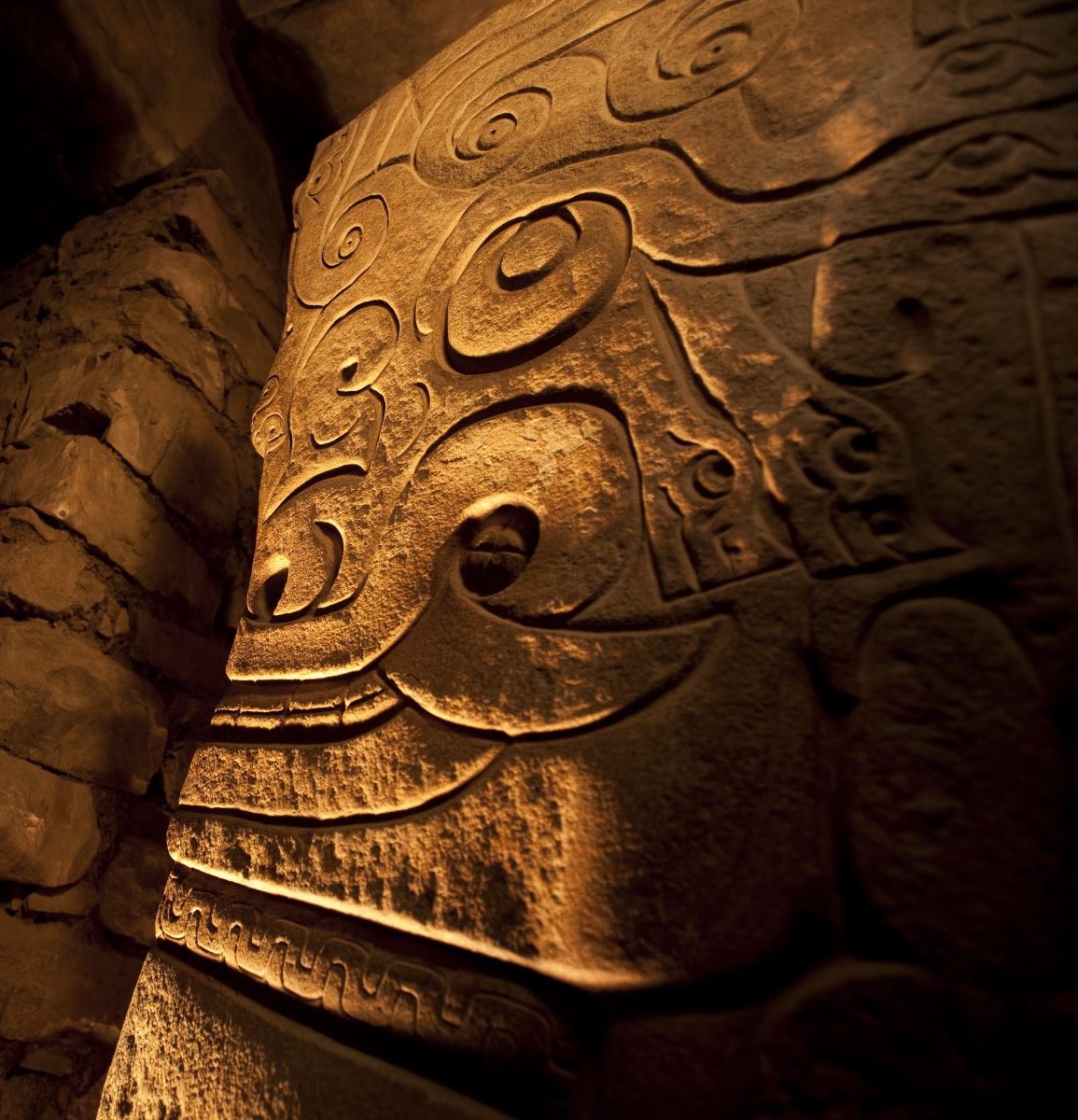
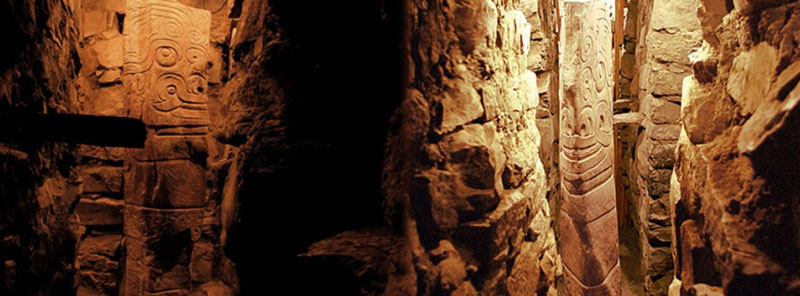
The archaeological complex of Chavin de Huantar belongs to the period between the years 1800 to 400 B.C. It is located 3 hours away from the city of Huaraz at 3185m.a.s.l. The Chavin culture is the beginning of great Andean pre-Hispanic civilizations of most relevance and influence. The complex astonishes the visitors with its monumental and labyrinthine architecture entirely built of stone, with underground passages and a series of pyramidal structures. The icon of the temple is located in one of the underground galleries, the Lanzon Monolitico, a 3.75mts. tall column shaped as an inverse cleaver. It is one of the most ancient sacred sites in America

Historical Center of the City of Arequipa

World Heritage

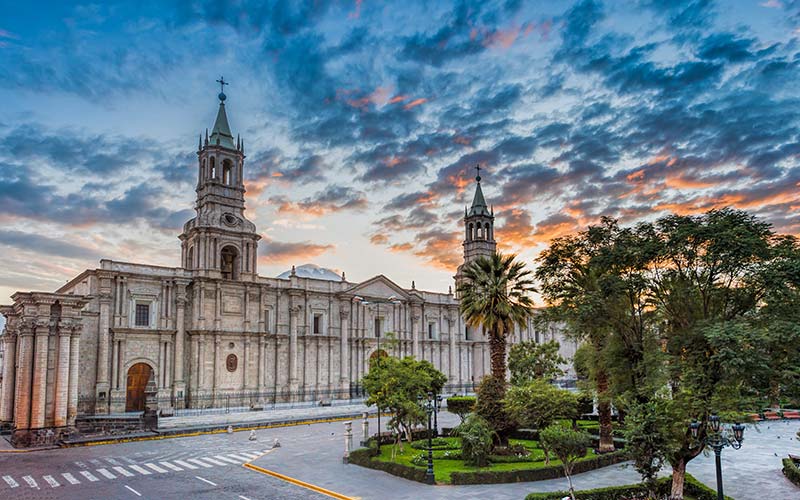
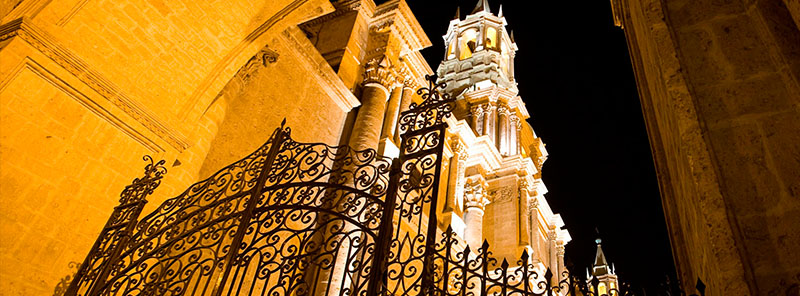
The city of Arequipa is located in south western part of Peru and it is the second biggest city in the country. It is known as the ciudad Blanca (White City) because the buildings are made out of white volcanic rock (piedra de sillar). The historic center of Arequipa is an example of ornamented colonial architecture, fusion of the Spanish culture and the native culture. It is formed by historic buildings, churches, monasteries and convents dated to the colonial and republican periods, giving it a peculiar look. Besides, the landscape surrounding the city, crowned by volcanoes and snow-capped mountains, make Arequipa one of the most beautiful places in Peru.

Historic Center of Lima

World Heritage

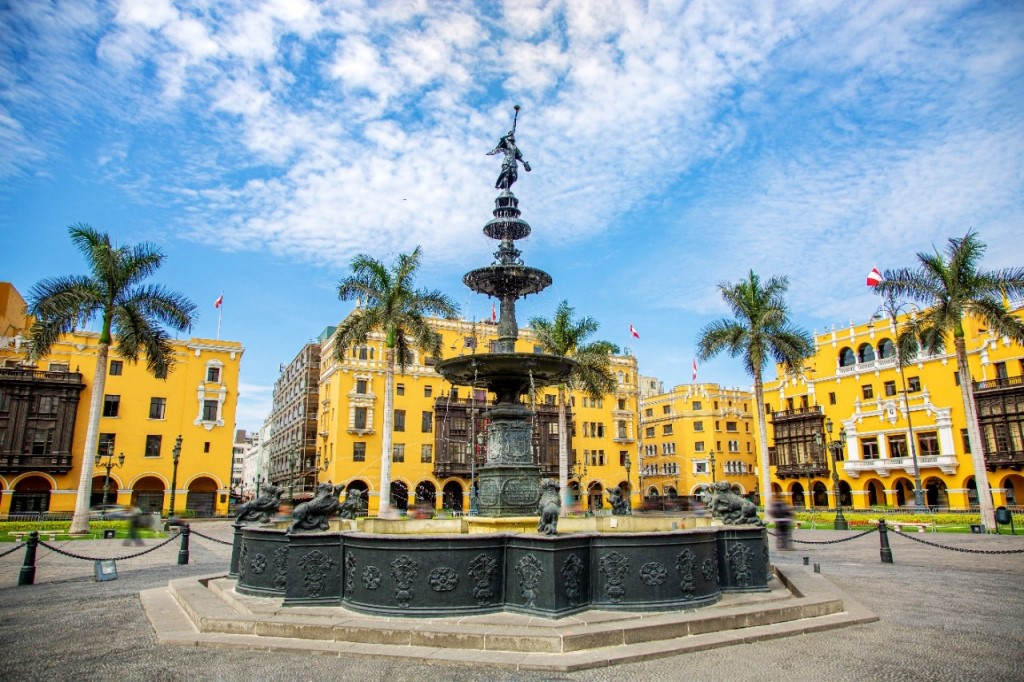
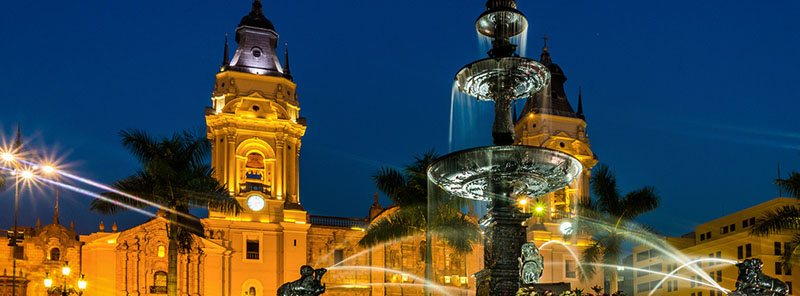
Lima, current capital of Peru, was also the capital of the Spanish viceroyalty in South America. It is known as La Ciudad de los Reyes (The City of Kings) due to its beautiful palaces, masons, churches and colonial convents that shelter jewels and pieces of art of priceless historical value. Its outstanding architecture has made of Lima one of the most beautiful areas in Latin America because it brings out the beauty of the colonial Spanish America. Today, Lima is a city that offers a wide range of activities in entertainment and culture, as well as its gastronomy that fusion the best of Peruvian cuisine.

Huascaran National Park

World Heritage

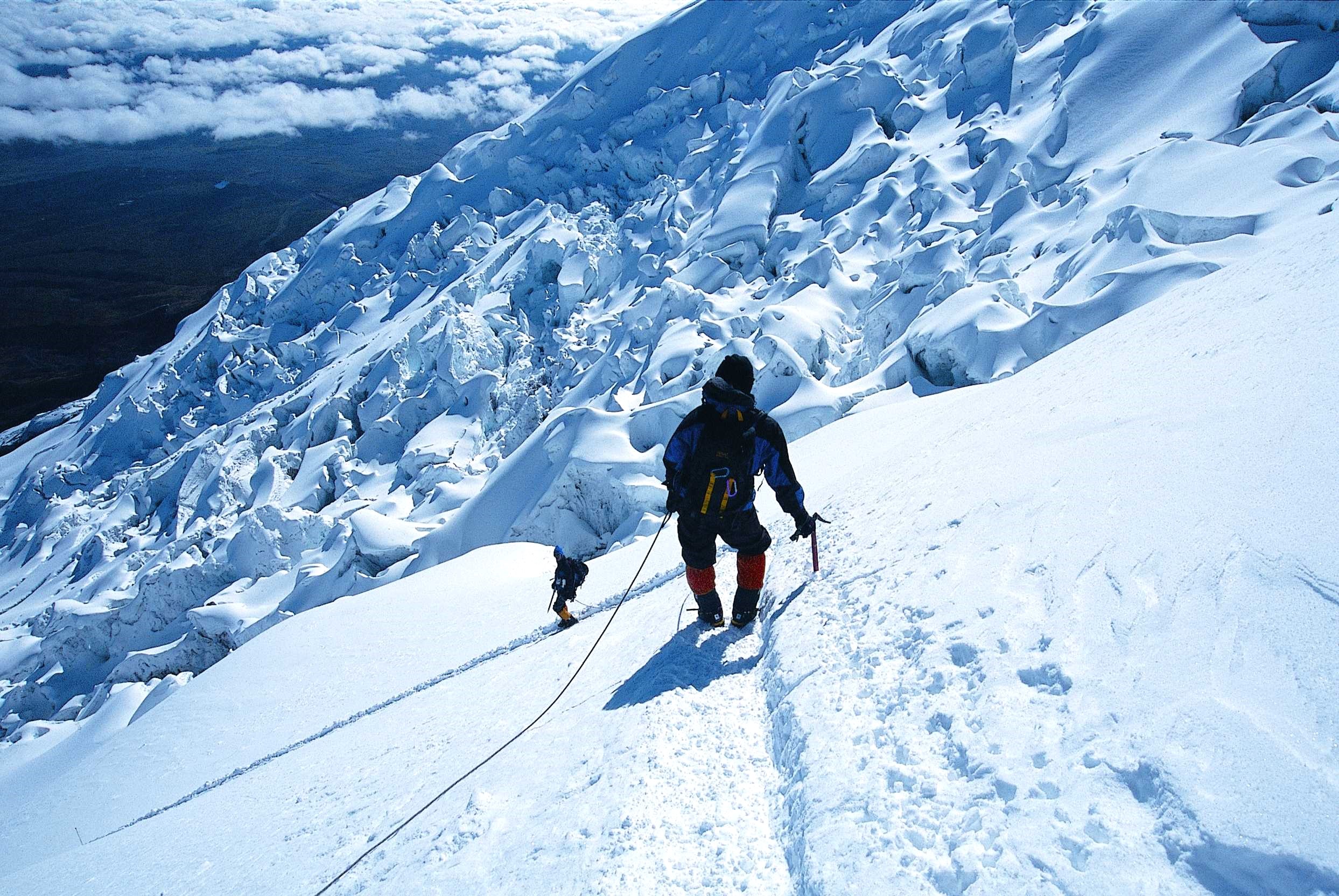
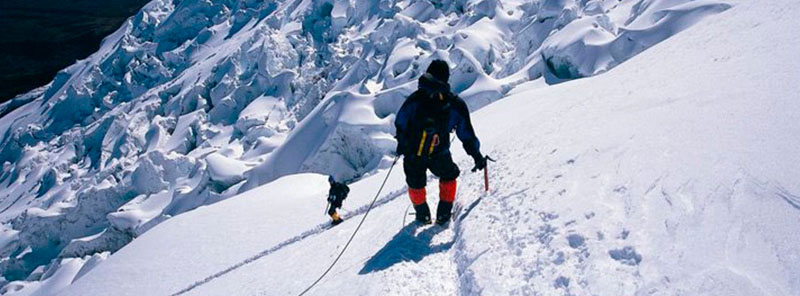
It is an area meant to preserve and protect the highest tropical mountain range of the world. Located in the heart of the Cordillera Blanca (White mountain range), it lodges the snow-capped Huascaran (6000m.a.s.l.) as well as geologic formations that provides a unique and beautiful landscape. It counts on 663 glaciers, more than 220 snow-capped mountains, 296 lagoons and 44 important rivers distributed throughout its territory; and with a large variety of animal and vegetable species, some of them endangered, such as the Puya Raimondi and the black-masked bear (Oso de Anteojos). Likewise, there are archaeological monuments of great historical and cultural value in its territory.

Nasca Lines

World Heritage

In the southern Peruvian coast, with an extension of more than 450km2, lay the Nasca lines. These are geoglyphs showing geometric, animal, bird, plant and zoomorphic figures that can only be seen from above in the sky. Since their discovery they have become an enigma, since the oldest ones were made about 2000 years ago. There are many theories about their origin and use, and still today scientists continue trying to decode them and understand their meaning.

Machu Picchu Historic Sanctuary

World Heritage

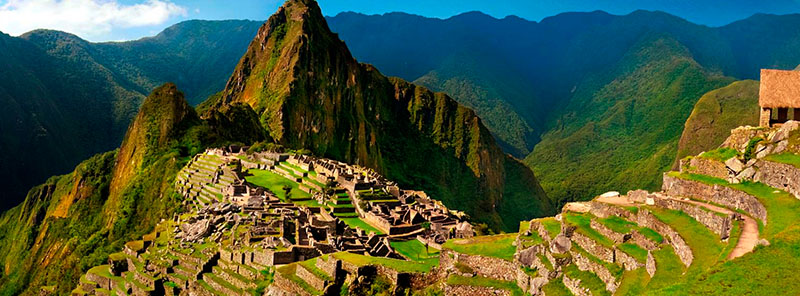
Ancient citadel located in Cusco. It was discovered in 1911 by a National Geographic expedition along with the North American explorer Hiram Bingham. It is considered a jewel of landscape architecture and an obvious icon of Peru. There are varied theories about the origins and uses of the archaeological remain. It is believed that Machu Picchu (in Quechua old hill) was a sacred worshipping site and observation of the sun, the moon and the stars, inhabited by priests and the virgins of the sun. A second theory that is accepted is that in which the famous Patallacta, city where people would worship the mummy of the Inca Pachacutec, founder of the Tahuantinsuyo Empire.

City of Caral

World Heritage

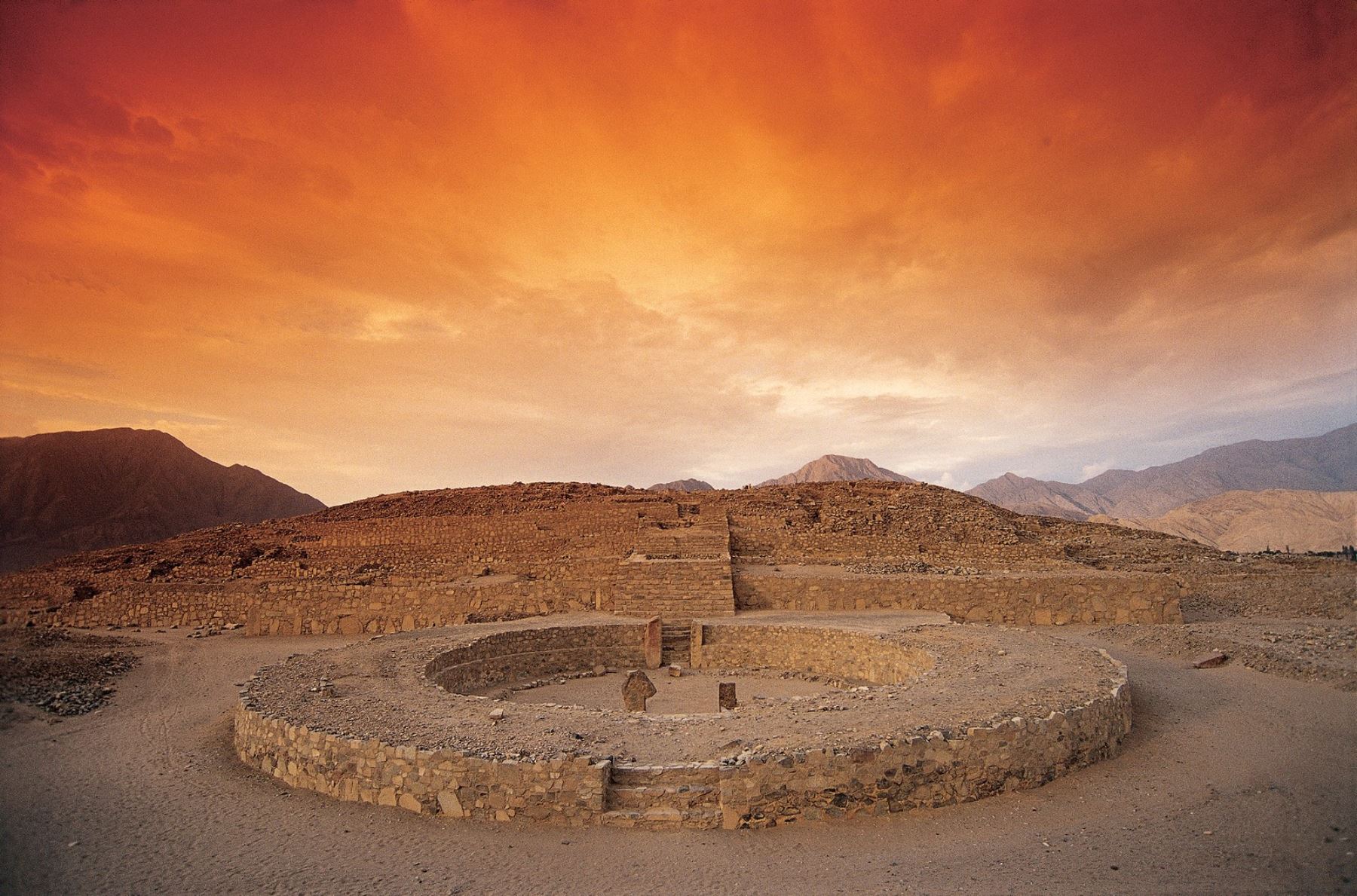
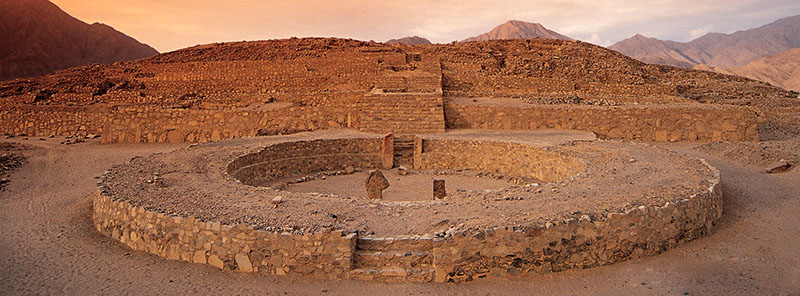
Caral is located in the central coast of Peru, north of Lima, and it is considered to be the first civilization in America, since it emerged approximately 5,000 years ago. Caral has an extension of more than 65 hectares and it is formed by 32 pyramid structures of different sizes with various residential sectors that differ in location and by the material used to build them. It was a hierarchical society in which trade, fishing and agricultural activities engaged the different social sectors, but it is also interesting to note the relevance music had for Caral, since hundreds of pututos and zampo have been foundin an amphitheatre clearly built for developing their artistic skills. Caral places us, once again, in the eye of archaeology and history worldwide, and it makes us reconsider the chronological order of the world's first civilizations.

Manu National Park

World Heritage

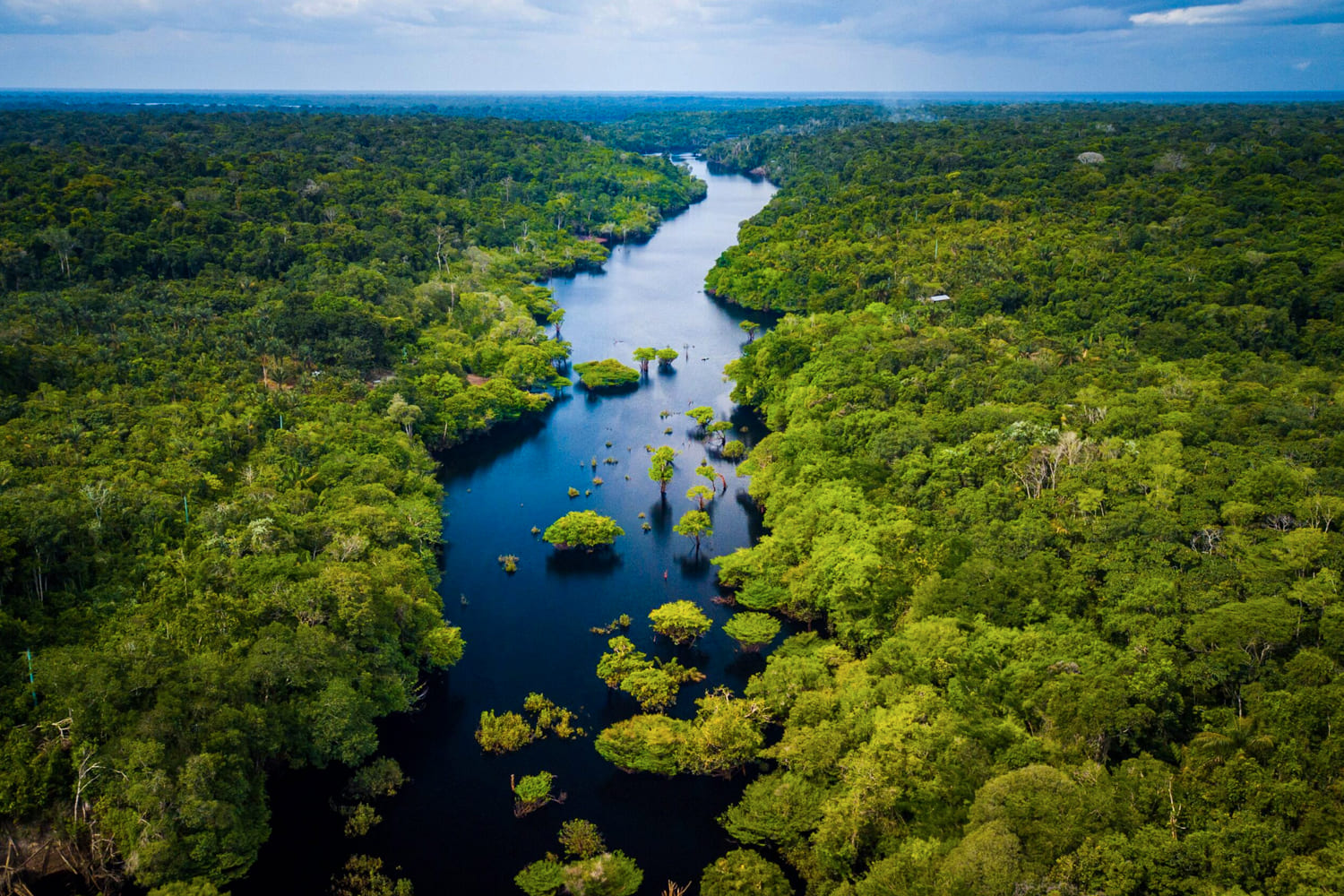
It is located in the departments of Cusco and Madre de Dios, southeast of the Peruvian Amazon jungle. The park lodges around 1200 bird species and 200 mammals; 120 varied fish and reptile species as well as more than one million insect species. The area is inhabited by a diversity of Andean and Amazonian communities, some of the latter not contacted yet. Due to the varied altitudes that go from 200 up to almost 400m.a.s.l. it is great beauty and landscape diversity and it has almost every sub-tropical geological formation of eastern Peru.

Rio Abiseo National Park

World Heritage

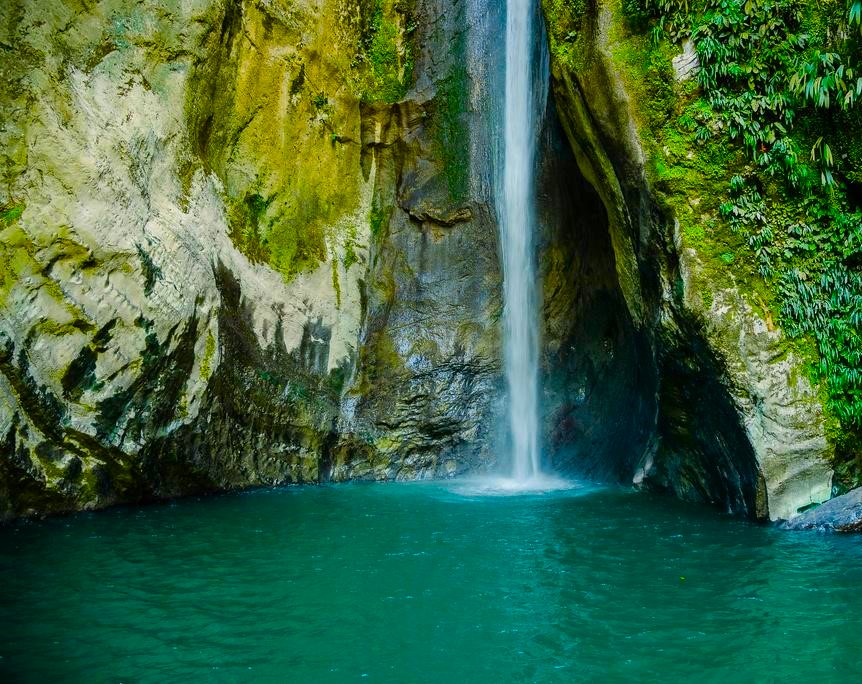
It is located in the eastern Andes of Peru, in the confluence of the Marañon and Huallaga rivers. It is one of the richest protected areas of the country, biologically and archaeologically speaking. It has a diversity of ecosystems due to the varied altitudes within it that go from 350 to 4200m.a.s.l. and it lodges 30 archaeological complexes of great relevance.

Qhapaq Ñan

Inca Trail - copia

World Heritage

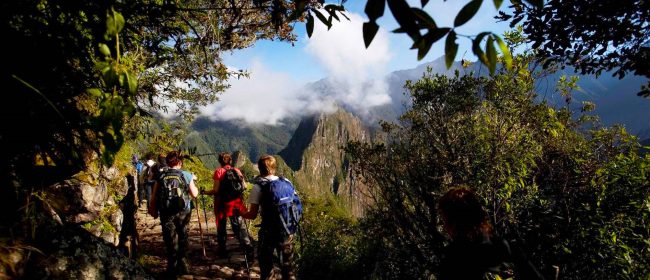
The Qhapaq Ñan in Quechua also means "The Great Way," which consists of a complex road system (pre-Inca and Inca paths) that during the fifteenth century the Incas unified and built as part of a major political, military, and ideological and administrative project that became known as Tahuantinsuyo. This network of paths allowed access to information and transportation of the necessary products required to survive in the entire area. The paths made it possible for the Incas, located in Cuzco, to administrate lands located thousands of kilometers away. It is the most widespread nomination in history with 5,200 kilometers that run from Quito to Tucuman and include 232 communities in Colombia, Argentina, Bolivia, Chile, Ecuador and Peru.